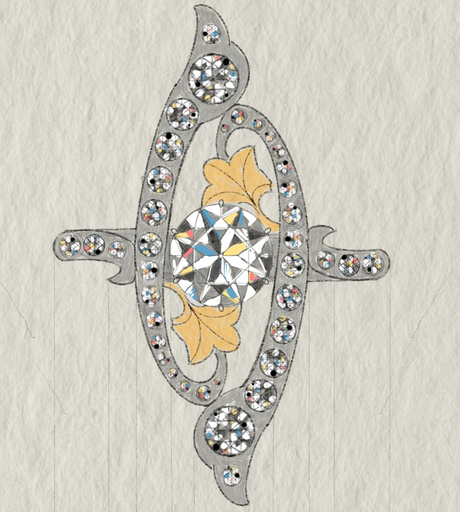
Vintage and antique engagement rings
The most sustainable and ethical choice
Popular engagement gemstones


 New arrival
Antique, Victorian diamond and sapphire engagement ring
Such an unusual design—and so uplifting and very easy to wear!
$3,497.00Unit price /Unavailable
 New arrival
Antique, Edwardian diamond five-stone gypsy ring
Such a fine setting, with detail as crisp as the day it was made in 19
$4,253.00Unit price /Unavailable
 New arrival
Antique-inspired, 'salt and pepper' diamond rub-over solitaire engagement ring
Chic, fun and utterly unique—a salt-and-pepper diamond!
$5,472.00Unit price /Unavailable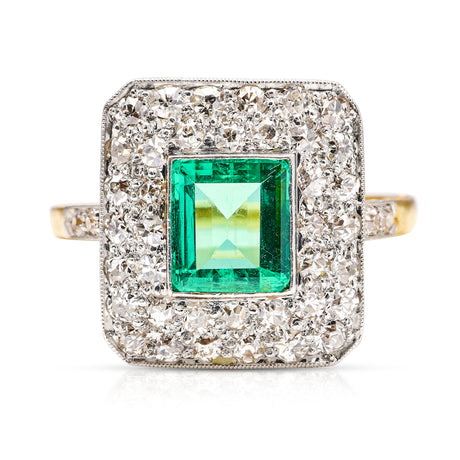
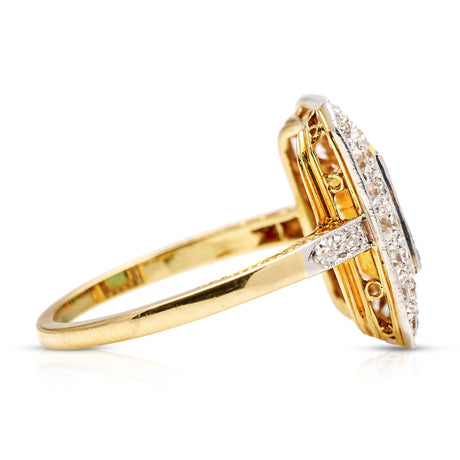
Antique, Art Deco emerald and diamond cluster engagement ring
$15,971.00Unit price /Unavailable
 New arrival
Antique, Edwardian sea-green emerald and diamond cluster engagement ring
The perfect engagement ring—timeless, with such a pretty colour
$6,521.00Unit price /Unavailable
 New arrival
Antique, 19th century, Ottoman Empire rose-cut diamond solitaire ring
A magnificent Turkish jewel, its rose-cut diamonds full of romance
$5,670.00Unit price /Unavailable
 New arrival
Antique, Edwardian old-mine cut diamond cluster engagement ring
A rare Art Deco design from the early 20th century—heavenly!
$12,569.00Unit price /Unavailable
 New arrival
Antique, Art Deco diamond cluster engagement ring
Mesmerising detail in a ring that's so easy to wear!
$5,387.00Unit price /Unavailable

Antique, Victorian Ceylon sapphire solitaire engagement ring
This ring has such a calming presence
$15,971.00Unit price /Unavailable


How to buy an engagement ring
Step 1: The planning phase
Modern couples choose antique engagement rings not just for their timeless appeal and beauty, but for ethical and sustainable reasons too. From the intricate Georgian era, romantic Victorian motifs, refined Edwardian elegance and the bold geometry of Art Deco, you have plenty of options.
Finding your partner's ring size without revealing your intentions can be tricky. You can measure one of their existing rings using a sizing guide, bring it to a jeweler, or ask a friend or family member. And remember resizing is an option for many rings.
Budget is also key. The average engagement ring in the UK costs around £2,000, but spending less or more is equally valid.
Step 2: Practical questions
Think about your partner’s preferences and lifestyle. Do they gravitate toward specific gemstones or particular metals?
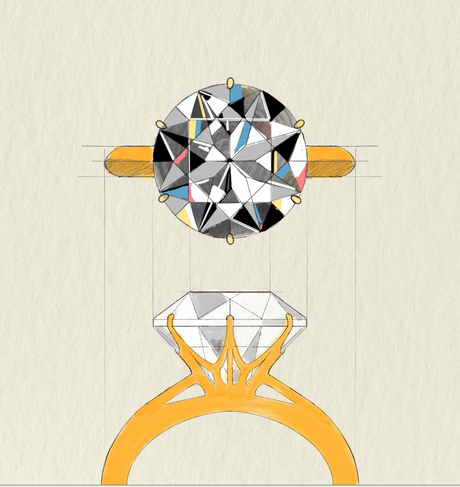
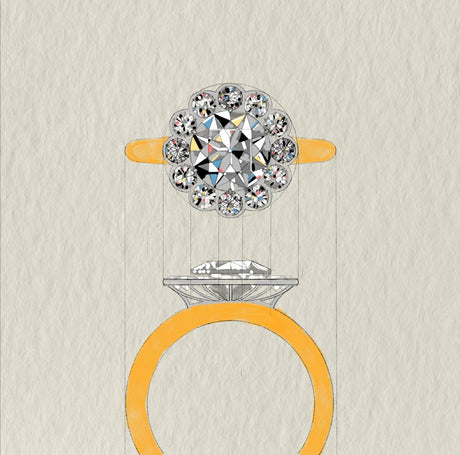
Setting and design need to take account of aesthetics AND practicality. Choose a harder stone like a diamond, sapphire, or ruby for daily wear. And an active person might benefit from a secure, low-profile setting to prevent damage. Protective designs like collet settings can also shield stones from impact.
Gem size is largely a matter of taste and budget. Smaller stones suit subtle styles, while larger stones make bold statements. The cut and setting also change how a stone’s size is perceived.
Step 3: Styles and metals
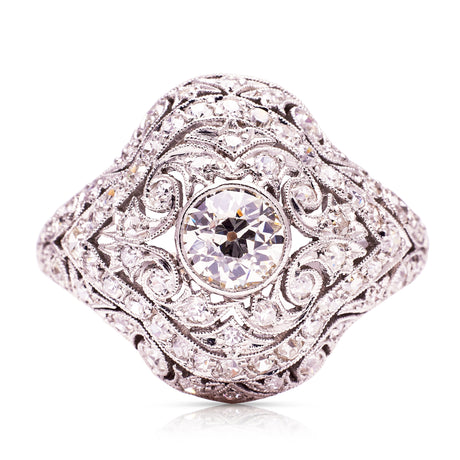
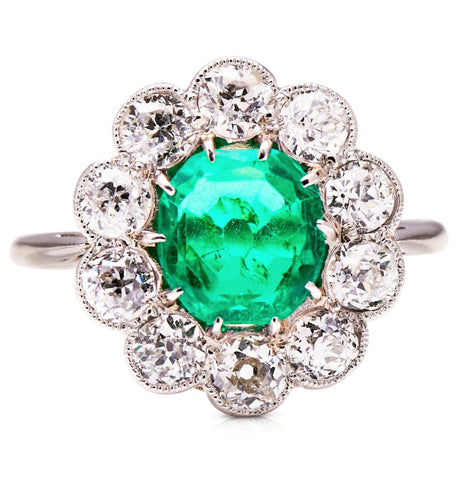
Classic solitaire rings focus on simplicity and elegance, while toi-et-moi rings symbolize unity. Three-stone rings highlight past, present, and future, making them a romantic choice. For vintage charm, consider five-stone or cluster rings (the latter provide added protection for softer stones like emeralds).
Metal choice is mostly a matter of taste so think about your partner's current rings.


Step 4: Choose a gemstone
Diamonds are the most popular choice for engagement rings but other gems are more colourful and increasingly popular.
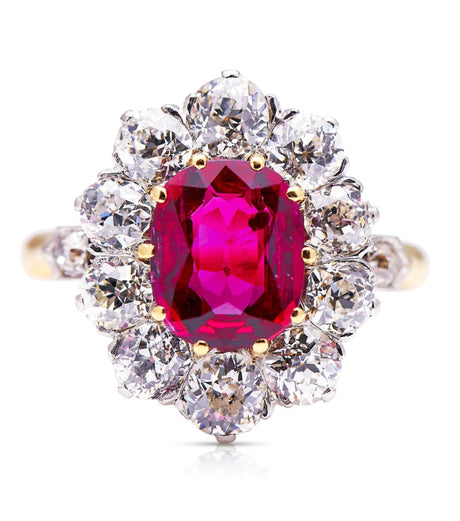
Sapphires come in various hues, while emeralds provide a rich green but demand delicate handling. Rubies, in shades from pink to deep red, exude passion and elegance.
Less common choices include aquamarine, garnet, topaz and zircon.




Step 5: Choose an era
Choices include the intricate Georgian era, romantic Victorian motifs, refined Edwardian elegance and the bold geometry of Art Deco.
- Georgian (1714 - 1830): Characterised by early cut stones such as old mine, rose and table cut diamonds, along with foil-backed gemstones
- Victorian (1837 - 1901): Often set with cameos and intaglios, with beautiful five-stone rings and rare gemstones aplenty.
- Edwardian (1901 - 1915): This era saw the birth of platinum jewellery. Expect delicate, ornate designs (think laurel wreaths and bows).
- Art Deco (1915 - 1945): Clean, geometric designs and new stone cuts that are as fresh now as they were in the 1920s.