
Samuel Mee, The Antique Ring Boutique founder
How people decide on an engagement ring
"There's a particular charm to those who seek the unconventional. I love it when people opt for engagement rings that might not suit daily wear but are selected simply through heartfelt passion. That special piece of jewellery. One that might not make it onto the finger every day but is reserved for particular occasions.
"Today, there's a heartwarming trend of modern couples choosing antique engagement rings. It’s not just for the timeless appeal and beauty, but for ethical and sustainable reasons too. From the intricate Georgian era, romantic Victorian motifs, refined Edwardian elegance and the bold geometry of Art Deco, buyers certainly have plenty of options.
"Lately, there's been a surge in the popularity of purple, pink and yellow sapphires. White sapphires, especially those set in Victorian designs, fly off the shelves. Of course, romantic acrostic jewellery inspired by Victoria and Albert’s engagement is always popular.
"I also enjoy meeting a client who has no idea what kind of engagement ring they want. Often, I find myself piecing together clues from snapshots of their partner’s existing jewellery collection. This involves a deep dive into understanding personalities and preferences. Then, we make a list of candidates before whittling it down. Questions about birthstones or favourite colours further make the experience of antique engagement ring shopping profoundly personal and rewarding."
Engagement rings
View all-

 New arrival
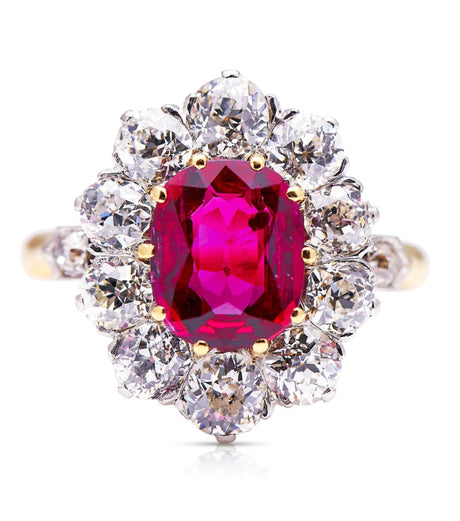
Antique, Edwardian Burmese ruby and diamond cluster engagement ring
An exceptionally fine ring, set with a ruby of outstanding quality
$35,150.00Unit price /Unavailable -

 New arrival
Antique-inspired, 1ct old-cut diamond cluster engagement ring
…And a wedding band will fit perfectly underneath!
$13,015.00Unit price /Unavailable -

 New arrival
Antique, Edwardian diamond three-stone engagement ring
A very pretty, delicate and wonderfully classic engagement ring
$2,375.00Unit price /Unavailable -

 New arrival
Vintage, diamond cluster engagement ring
A real showstopper! A wonderfully unique arrangement of diamonds
$6,650.00Unit price /Unavailable -

 New arrival
Vintage-inspired, GIA 1ct cushion-cut diamond cluster trefoil engagement ring
This ring just sparkles and sparkles and sparkles!
$9,025.00Unit price /Unavailable -

 New arrival
Antique, Edwardian old European-cut diamond three-stone engagement ring
The engraved gallery is so rare and beautiful
$5,700.00Unit price /Unavailable -

 New arrival
Antique-inspired, inky-blue sapphire solitaire engagement ring
This sapphire is so unique with cyan colour zoning!
$3,135.00Unit price /Unavailable -


Antique, Edwardian old-mine cut diamond cluster engagement ring
A rare Art Deco design from the early 20th century—heavenly!
$12,635.00Unit price /Unavailable -

 New arrival
Vintage-inspired, yellow sapphire and diamond cluster engagement ring
A soft sunshine-yellow sapphire with a charming old cut
$5,035.00Unit price /Unavailable -

 New arrival
Vintage, 1950s diamond cluster engagement ring
A sparkling nest of diamonds—a little piece of heaven
$6,555.00Unit price /Unavailable -

 New arrival
Vintage, 1950s 3ct old-cut diamond four-stone engagement ring
A true one-of-one - this is such a special find, an incredible ring!
$29,450.00Unit price /Unavailable -

 New arrival
Antique-inspired, old cushion-cut diamond three-stone engagement ring
Old meets new, a joy to wear, with such a special old-cut diamond
$12,350.00Unit price /Unavailable -

 New arrival
Antique, Edwardian ruby three-stone engagement ring
Deep pink rubies with exceptional colour and a divine setting to match
$11,305.00Unit price /Unavailable -

 New arrival
Antique, Art Deco 1.75ct old-cut diamond solitaire engagement ring
A stunning diamond with the old-world character, it's just perfect!
$15,675.00Unit price /Unavailable -


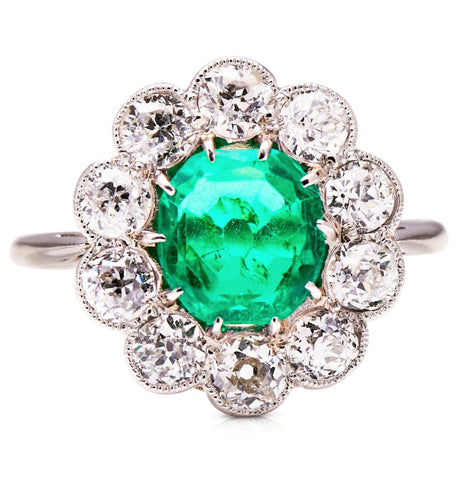
Antique, Belle Époque Colombian emerald and diamond cluster engagement ring
They don't make them like this anymore...
$53,105.00Unit price /Unavailable -

 New arrival
Antique-inspired, cushion-cut yellow sapphire solitaire engagement ring
An easy-to-wear sapphire, and full of real gemstone character!
$4,275.00Unit price /Unavailable -

 New arrival
Antique, Art Deco amethyst and diamond cluster ring
An amethyst of exquisite colour—quite simply incomparable
$5,605.00Unit price /Unavailable -

 New arrival
ON HOLD | Antique-inspired, smoky old-mine diamond cluster engagement ring
A rare 19th century brown diamond...
$15,200.00Unit price /Unavailable -


Antique, 19th century, Ottoman Empire rose-cut diamond solitaire ring
A magnificent Turkish jewel, its rose-cut diamonds full of romance
$5,700.00Unit price /Unavailable -

 New arrival
Antique-inspired, yellow diamond cluster engagement ring
This GIA certified yellow diamond is full of sunshine
$16,150.00Unit price /Unavailable -


Antique, French, Belle Époque citrine and diamond cluster engagement ring
Années 1920 : une Parisienne en robe de soirée longe le canal
$4,750.00Unit price /Unavailable -

 New arrival
Antique-inspired, 19th century old-mine diamond three-stone engagement ring
A perfect antique cushion-cut diamond with the most gorgeous colour!
$16,625.00Unit price /Unavailable -

 New arrival
Antique, Art Deco diamond toi et moi engagement ring
Original and charming, it feels contemporary yet is over 100 years old
$4,275.00Unit price /Unavailable -


Antique, Victorian Sri Lankan, Ceylon, sapphire solitaire engagement ring
This ring has such a calming presence
$15,105.00Unit price /Unavailable


The best engagement ring: how to pick and buy the perfect ring


Step 3: Getting specific
Next, you’ll dig into the specific styles available in an engagement ring.
Look at engagement ring styles
Selecting the perfect engagement ring begins with understanding different ring styles. Generally, the more popular styles (in the UK and US, at least) are the solitaire diamond ring, the halo or cluster diamond ring and the five-stone or half hoop ring. Let’s take a closer look at your options:
- Solitaire: Classic and timeless, a solitaire ring features a single stone, usually a diamond, making it a popular choice for engagement rings.
- Two-Stone: Known as 'toi-et-moi' (you and me), two-stone rings are rare and romantically named, symbolising the union of two souls.
- Three-Stone: Featuring three stones side by side, either of the same size or with smaller side stones accentuating the centre, three-stone rings are traditional and pair well with wedding rings.
- Five-Stone: Particularly cherished from the Victorian era, these rings feature scrolled sides and tiny rose diamonds between the stones, creating a delightful visual appeal.
- Cluster: Cluster rings focus attention on a central stone, are versatile and wearable, and provide protective settings for more fragile stones like emeralds.
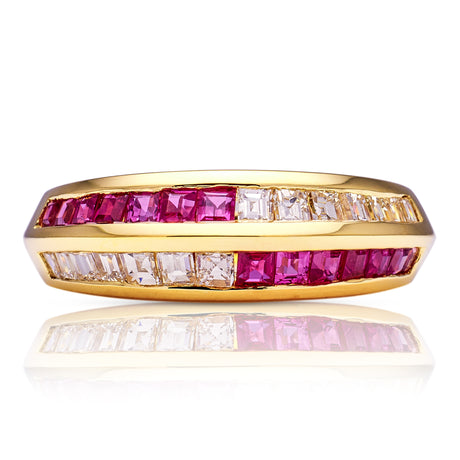
- Eternity: Available in half (stones across the front) or full (stones all around) eternities, these rings traditionally symbolise ongoing commitment.
Choose your precious metal
Choosing the right metal for your engagement ring is the next step. It’s important to consider your partner's current jewellery preferences, as we mentioned earlier. Do they mostly wear yellow or white metals, or do they mix and match?
- White gold engagement rings: A timeless choice, white gold is a popular and traditional option that complements diamonds beautifully.
- Yellow gold engagement rings: Classic and evergreen, yellow gold offers a warm, rich hue that never goes out of style.
- Rose gold engagement rings: Trendy and romantic, rose gold has a pinkish hue from its alloy metals and has gained popularity recently.
- Platinum engagement rings: A strong and durable option, platinum goes with almost any gemstone.
- Silver: An elegant choice that, like platinum, suits a range of stones and settings.
Each metal varies. You’ll see various colours, grades, strengths and prices, so consider your budget and your partner's preferences before deciding. Keep in mind that some metals may be more prone to scratches and require more maintenance (platinum is the hardest).
Ultimately, the right metal is one that suits your partner’s style and can withstand everyday wear and tear.
Choose your gemstones
Now, it’s time to pair gemstones with your precious metal. When buying an engagement ring, consider the four Cs of stone valuation. Here, we apply the four Cs to diamonds as an example:
- Colour: Less colour is more valuable, but coloured diamonds can offer an eye-catching alternative.
- Clarity: Fewer natural blemishes (inclusions) increase a stone’s value, so a higher quality diamond will be more expensive.
- Carat: Heavier diamonds generally cost more. But remember to consider your partner's lifestyle and comfort, as bigger is not always better — a smaller diamond is still an excellent choice for many.
- Cut: Round or princess cuts are popular, but many variations are available.
While diamonds are an extremely popular engagement ring choice, there are many other gemstones you could consider:
- Sapphire rings: traditionally blue but available in various colours.
- Emerald rings: green but softer and requiring careful wear.
- Ruby rings: ranging from pink to blood-red.
Of course, there is a whole range of stone options out there. For the best choice, call us and we can help you choose a gemstone.


Step 4: other considerations
So, you’ve got the perfect engagement ring in mind. How far in advance of the big day should you buy it?
The answer depends on your choice, of course. If you’re going to design a new, bespoke ring, then you’ll need plenty of notice for production, delivery and alterations.
Buying a vintage engagement ring generally means you can buy closer to the proposal date. The ring has already been made, after all. This allows you to get your hands on your engagement ring much faster, without a delay in popping the question.
While considering the timescales involved is important, remember that the most important thing is to buy the right piece.
Consider different antique and vintage styles
While “antique jewellery” might conjure visions of classical pieces, remember that there are many different styles and eras. Antique and vintage rings are unique — and their value often depends on individual factors that may not be directly comparable.
Whether it’s the charm of a Georgian cluster or the slick geometry of an Art Deco design, we have great vintage and antique engagement rings from all eras. Consider the following periods, for example:
- Georgian (1714 - 1830): Georgian era rings are characterised by early cut stones such as old mine, rose and table cut diamonds, along with foil-backed gemstones such as pink and imperial topaz, old Ceylon sapphires, and Burmese rubies.
- Victorian (1837 - 1901): Marked by romance and grandeur, Victorian rings are often set with cameos and intaglios, with beautiful five-stone rings and rare gemstones aplenty. For the ultimate romantic gesture, consider the Queen Victoria and Prince Albert snake engagement ring story.
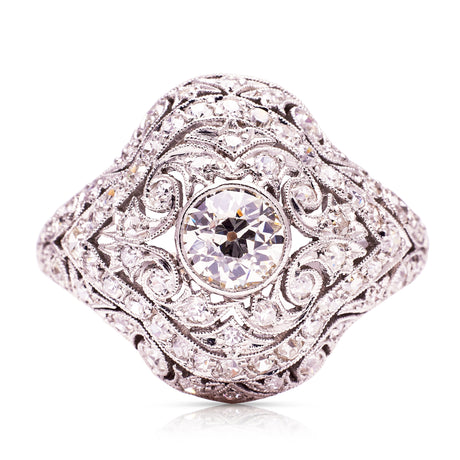
- Edwardian (1901 - 1915): Edwardian rings saw the birth of platinum jewellery. Expect delicate, ornate designs (think laurel wreaths and bows) contrasted with the decadent, poetic style of Art Nouveau.
- Art Deco (1915 - 1945): Art Deco era rings feature clean, geometric designs and new stone cuts — baguette diamond shapes and industrial designs created a stylish aesthetic that feels as fresh now as it did in the 1920s.
How to buy an ethical engagement ring
Today’s shopper is increasingly looking for a more ethical and eco-friendly choice. Buying an ethical engagement ring can be challenging but is well worth the effort.
To start, ask your retailer about the origins, supply chain and backstory of pieces you have in mind. In some cases, this will lead you to a more sustainable piece.
If you’ve chosen an antique engagement ring, you’ve already made an eco-friendlier choice. Vintage and antique rings avoid much of the intensive mining methods, ecosystem damage and worldwide supply chain of the modern jewellery trade. As they’ve already been made, they also don’t contribute further to ecological issues. This makes vintage pieces a fantastic choice for an ethical engagement ring.
Finding the perfect engagement ring
Using our guide, you can narrow down — and hopefully pick — your perfect engagement ring. While there are many things to consider, remember that your partner will be wearing it. Above all, you are buying for their pleasure — prioritise choosing the ring they will like the most, and let that guide you.
Don't forget, you can always ask us for advice. Feel free to get in touch — no question too great or small, we promise. You can also browse our selection of antique engagement rings to find the perfect piece.

